
A protein shake containing 50 g of protein far exceeds the recommended dose of 20 to 25 g often suggested after a workout. This amount, concentrated in a single liquid intake, alters the body’s response on several levels: muscle synthesis, digestion, satiety, and renal load. Understanding each mechanism allows you to decide if this dose is suitable for your profile.
Muscle Protein Synthesis: What Changes with a 50 g Dose
Muscle protein synthesis refers to the process by which the body creates new proteins to repair and develop muscle fibers after exertion. It is primarily activated after resistance training, in the presence of amino acids available in the blood.
For a long time, research placed the optimal activation threshold around 20 to 25 g of protein per intake. Beyond that, the surplus was thought to be oxidized as an energy source, with no additional benefit for the muscle.
More recent studies nuance this limit. A single intake of 40 to 60 g of protein can stimulate muscle synthesis more than a standard dose, particularly in advanced practitioners, provided that the total daily intake remains appropriate and that the intake is associated with resistance training. To better understand the effects of protein shakes on health, the distinction between beginner and experienced athletes remains crucial.
A beginner who trains three times a week does not have the muscle mass or training volume to benefit from 50 g in a single intake. The additional benefit beyond 25 g mainly concerns practitioners with several years of regular training.

Digestive Tolerance of a 50 g Protein Shake
Consuming 50 g of protein in liquid form requires a different digestive effort than a solid meal. The transit speed of the liquid in the stomach is faster, which can overwhelm the intestinal absorption capacity if the protein is assimilated very quickly.
Tolerance depends on three main factors:
- The type of protein used: a concentrated whey, digested quickly, often causes more bloating and diarrhea than a whey/casein blend, whose absorption is spread over time.
- Intake on an empty stomach or with a meal: consuming a 50 g shake without carbohydrates or fats accelerates gastric passage and increases discomfort. Adding a source of fiber or fats slows gastric emptying.
- The speed of consumption: drinking a shake in two minutes concentrates the influx of amino acids. Spreading the intake over 20 to 30 minutes significantly reduces digestive issues.
People intolerant to lactose should be particularly cautious. A concentrated whey contains more lactose than an isolate whey, and 50 g of powder proportionally amplifies the amount of lactose ingested.
Renal Function and High Protein Intake in Shakes
The kidneys filter nitrogenous waste produced by protein metabolism. The higher the protein intake, the greater the filtration load increases. This physiological reality fuels concerns about a detrimental effect on renal function.
In healthy individuals, current data is reassuring. A high protein intake, including through shakes of 40 to 60 g, is not associated with a decline in renal function in the absence of pre-existing kidney disease. Healthy kidneys adapt to the increased filtration load without measurable damage.
The real risk concerns individuals with renal insufficiency, sometimes undiagnosed. Repeated consumption of high-dose shakes may accelerate the progression of silent kidney damage. Before adopting a protein intake above average over time, a blood test including creatinine and glomerular filtration rate can help clarify any doubts.
Effect of a 50 g Protein Shake on Satiety and Appetite
Beyond muscle building, a high-protein shake alters eating behavior in the hours that follow. Proteins are the macronutrient that generates the highest satiety per calorie ingested.
A shake containing 40 to 50 g of high-quality protein significantly reduces hunger and caloric intake at the next meal. This effect is utilized by some weight management protocols, where the shake replaces a snack or complements a light meal.
This does not mean that 50 g in a shake is always relevant for weight loss. If the shake is added to a diet already high in protein, the caloric surplus negates the satiety advantage. The interest exists when the shake replaces a less satiating caloric source, not when it accumulates with a complete meal.
Quality of the Powder: An Often Underestimated Factor at 50 g per Intake
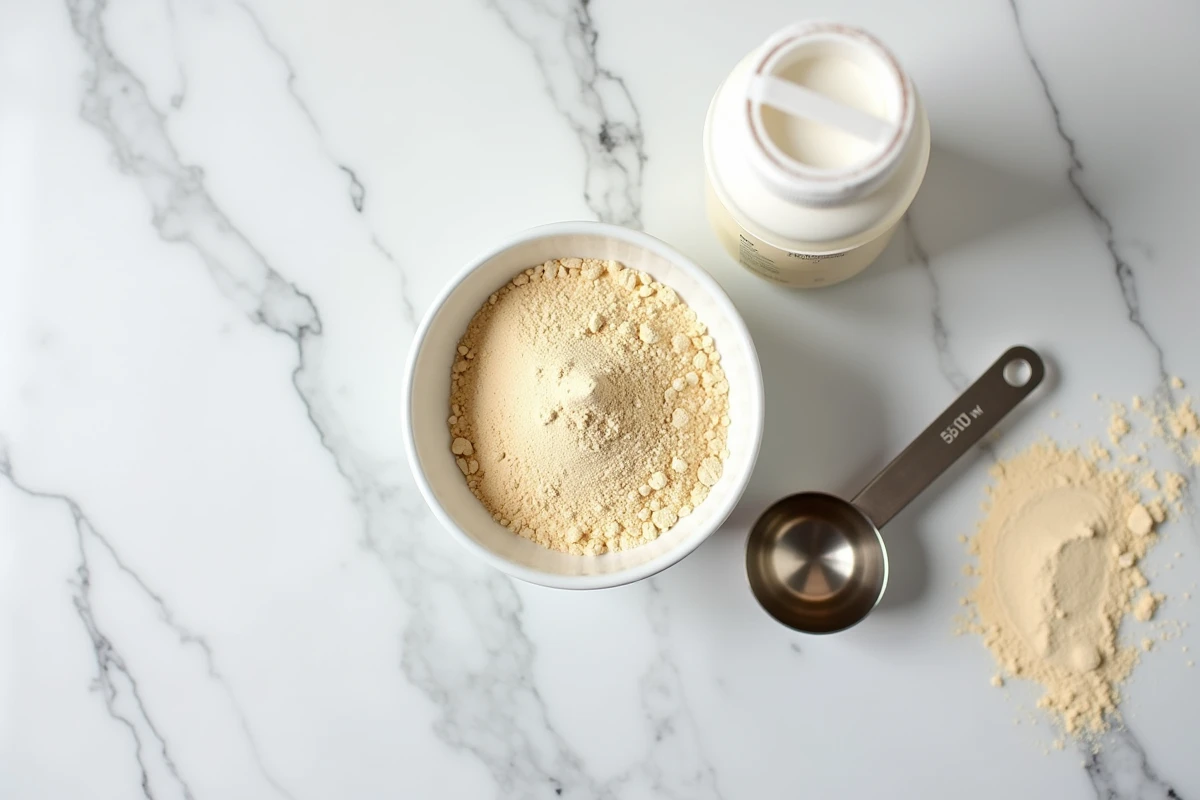
Increasing to 50 g of powder per shake also amplifies exposure to non-protein components of the product. Sweeteners, thickeners, flavors, and traces of heavy metals are present in small amounts per standard dose but double mechanically when the dose doubles.
Careful reading of the label becomes more critical at this level of consumption. Three points deserve verification:
- The actual protein content per serving (some powders display a protein/total weight ratio lower than 70%, with the rest being carbohydrates and additives).
- The presence and type of sweeteners, some of which can cause digestive issues at high doses (sucralose, polyols).
- Certifications or independent tests guaranteeing the absence of contaminants, particularly for imported brands without local control.
Choosing a powder with a high protein ratio and a short ingredient list limits exposure to undesirable components when the dose per shake is significant.
A 50 g protein shake is neither dangerous nor universally optimal. The benefit on muscle synthesis mainly exists for experienced athletes. Digestive tolerance can be managed by the choice of protein and the pace of consumption. Renal function is only a concern in the presence of pre-existing pathology. Adjusting the dose to your profile, checking the product quality, and monitoring your digestive response remains the most reliable approach.