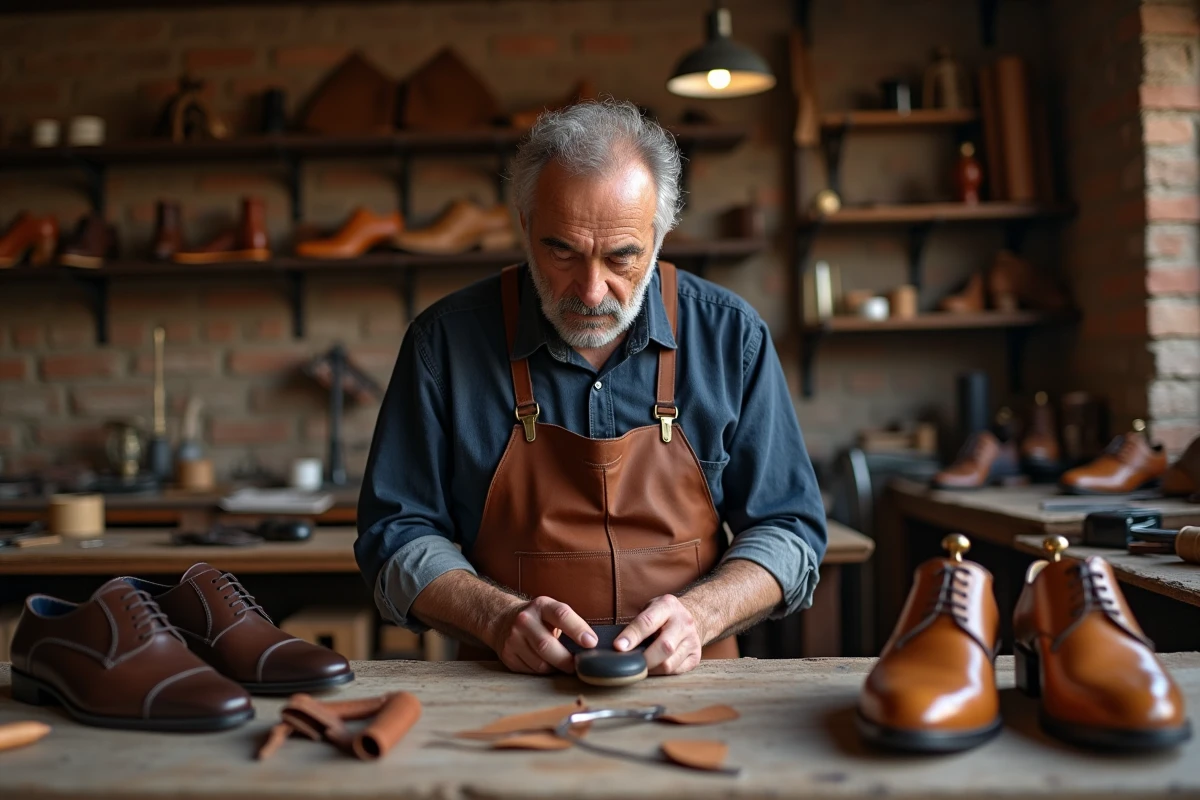
Comparing shoe-producing countries involves measuring very different realities: volume, artisanal know-how, labor costs, quality of locally available leather. Depending on the targeted segment (technical sneakers, leather shoes, mid-range city shoes), the ranking changes completely. This article analyzes the concrete gaps between major manufacturing areas to identify where quality truly lies.
Comparison of Major Shoe Manufacturing Areas
| Country / Area | Dominant Segment | Main Advantage | Main Limitation |
|---|---|---|---|
| Italy | Luxury, high-end leather | Integrated tanneries, artisanal know-how passed down through generations | High production costs, limited volumes |
| Portugal | Mid-high range, private labels | One of the best quality-price ratios in Europe | More limited industrial capacity than Italy |
| Spain | City shoes, mid-high range leather | Flexibility in small series | Less international recognition than its neighbors |
| China | Volume, sports, technical segments | Complete industrial ecosystem, improving R&D | Image still associated with low cost despite upgrading |
| Vietnam | Sneakers, sports and lifestyle shoes | Skilled labor, automated factories, rising CSR standards | Dependence on foreign clients for design |
| France | Artisanal niche, custom shoes | Specialized workshops, handcrafted leather | Confidential production, very high prices |
This table highlights a often underestimated point: the shoe segment determines the relevant country, not the other way around. Searching for “the best country” without specifying the type of product makes little sense.
To delve into the origin of Geox and Tamaris shoes, one often needs to trace back to the Asian or Portuguese subcontractors who actually assemble the models.
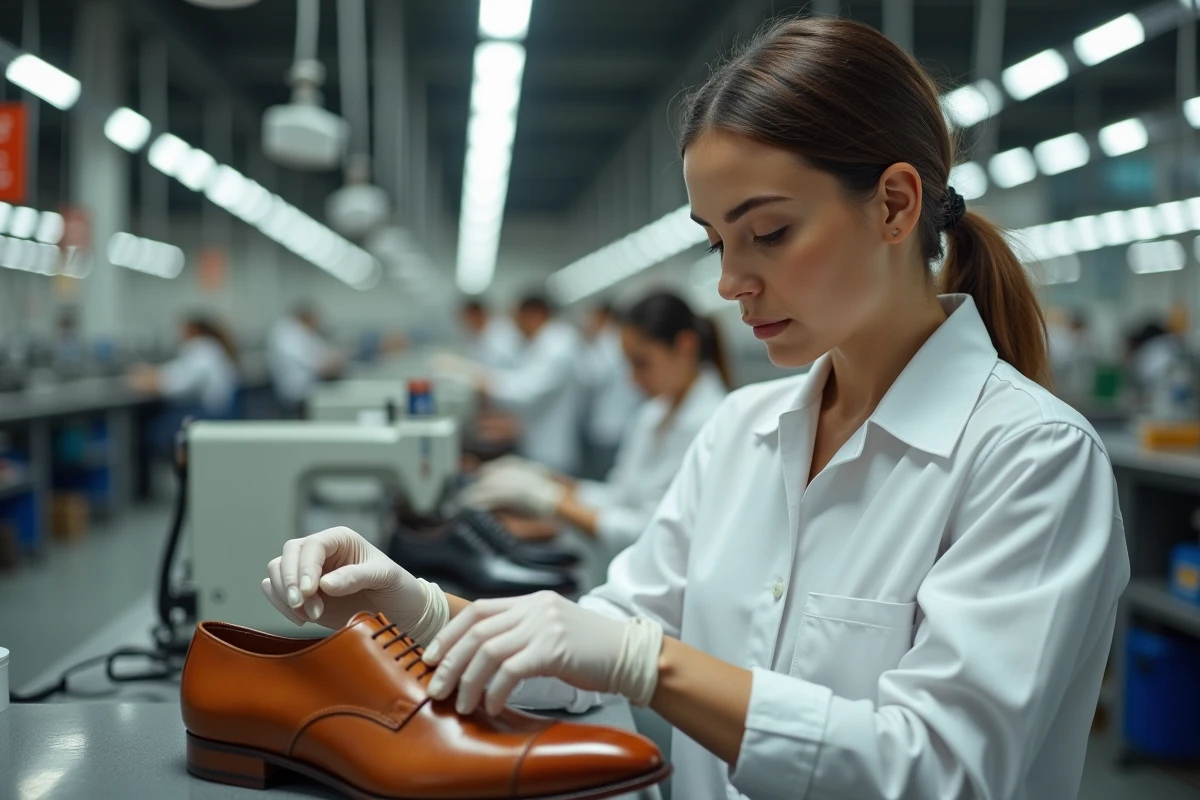
Italian Leather vs. Asian Leather: Raw Material Makes the Difference
The final quality of a shoe depends as much on the origin of the leather as on the assembly country. Italian tanneries (with Tuscany leading) provide full-grain leather known for its suppleness and aging patina. Argentina is also among the sought-after suppliers of high-end leather by European brands.
Some brands assemble in Asia with European leather to combine lower labor costs with noble materials. This hybrid assembly blurs the simplistic reading of “made in X = quality.” A shoe stitched in Vietnam with Tuscan leather can surpass a model entirely made in a European workshop using lower-grade leather.
The criteria that distinguish quality leather in shoes:
- Full-grain, uncorrected leather: the surface retains the natural grain, ensuring better breathability and aesthetic aging
- Vegetable tanning rather than chrome tanning: longer and more expensive, it produces leather that is stiffer initially but more durable and less polluting
- Thickness suited to the type of shoe: a derby requires thicker leather than a loafer, and this thickness directly impacts longevity
Vietnam and China: Mass Production or Real Upgrading?
China produces the majority of shoes sold worldwide. This colossal volume masks a more nuanced reality. A part of the Chinese industry is repositioning itself on technical segments: high-performance sports shoes, certified safety shoes, models with a strong R&D component. The focus is now on innovative materials and quality certifications rather than just cost compression.
Vietnam is following a similar but accelerated trajectory. In recent years, premium lines from major sports and lifestyle brands have been transferred there, whereas they were previously made in China or Europe. This migration relies on three levers: automated factories, better-trained labor, and integration of CSR standards required by international clients.
However, for Goodyear or Blake stitched leather shoes, neither China nor Vietnam can compete with Italy or Portugal. The required know-how remains concentrated in European workshops where knowledge is passed down over decades.
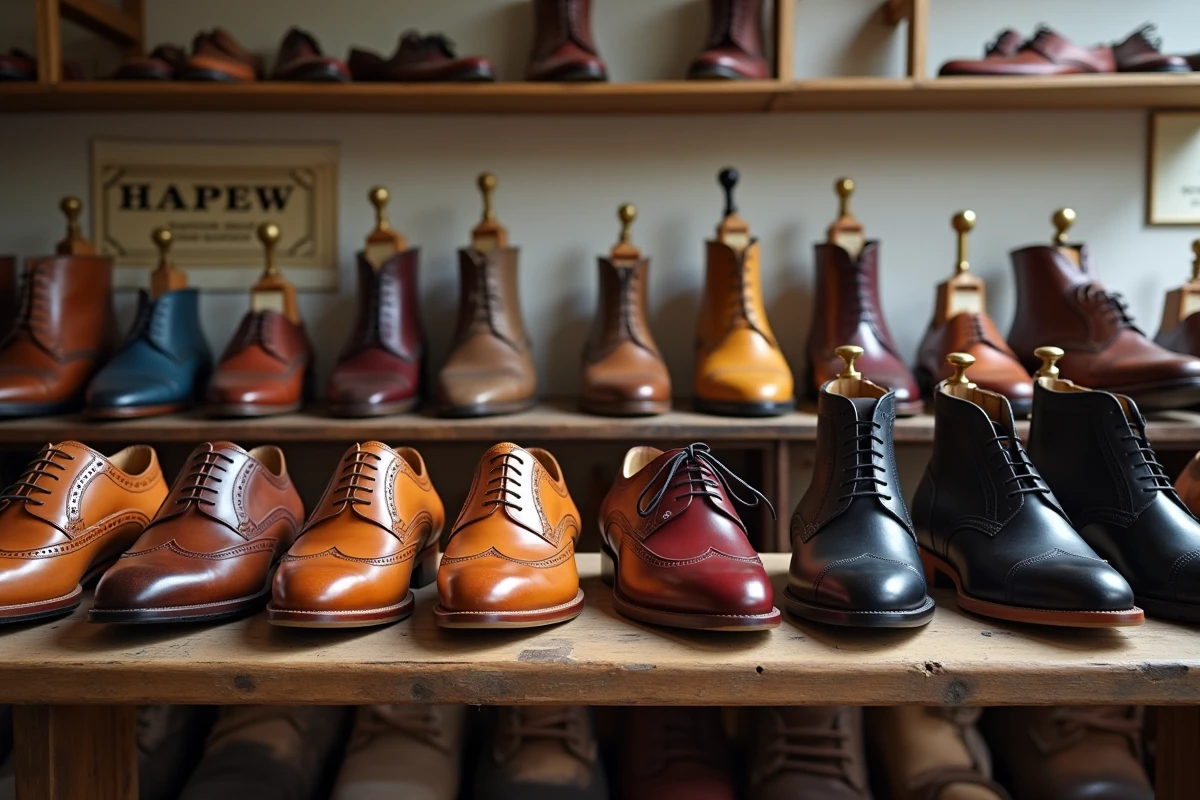
Portugal and Spain: The European Quality-Price Ratio for Independent Brands
Portugal has carved out a unique place in shoe manufacturing in Europe. Its factories accept lower volumes than Asian giants, attracting independent brands and designers launching private label collections.
The production cost in Portugal remains significantly lower than in Italy while maintaining finishing standards that are close. The leathers used often come from local or Italian tanneries, and the assembly techniques (Blake stitching, turned stitching) are mastered by experienced labor.
Spain occupies a neighboring niche, specializing in city shoes and small series. Its production flexibility makes it a preferred partner for brands looking to test a model before launching a larger series.
What France Retains as an Asset
French shoe production remains confidential in volume. A few workshops perpetuate specialized know-how, particularly in custom shoes and bootmaking. French manufacturing costs are the highest in Europe, which limits this production to very high-end niches or brands claiming a strong local grounding.
Choosing a Manufacturing Country According to the Type of Shoe
Rather than a single ranking, the choice of production country should be guided by the final product aimed at:
- Technical sneakers or sports shoes: Vietnam and China offer the most complete industrial ecosystem, with constantly improving R&D capabilities
- Stitched leather shoes (derby, oxford, ankle boots): Italy remains the reference, Portugal is the best quality-price alternative
- Mid-range city shoes: Portugal and Spain combine European finishing with controlled costs
- Custom and very high-end: France and England (Northampton) retain specialized workshops with limited production
The origin of the leather, the type of assembly, and quality certifications weigh more than the flag on the label. An informed buyer looks at the technical sheet before the “made in”.