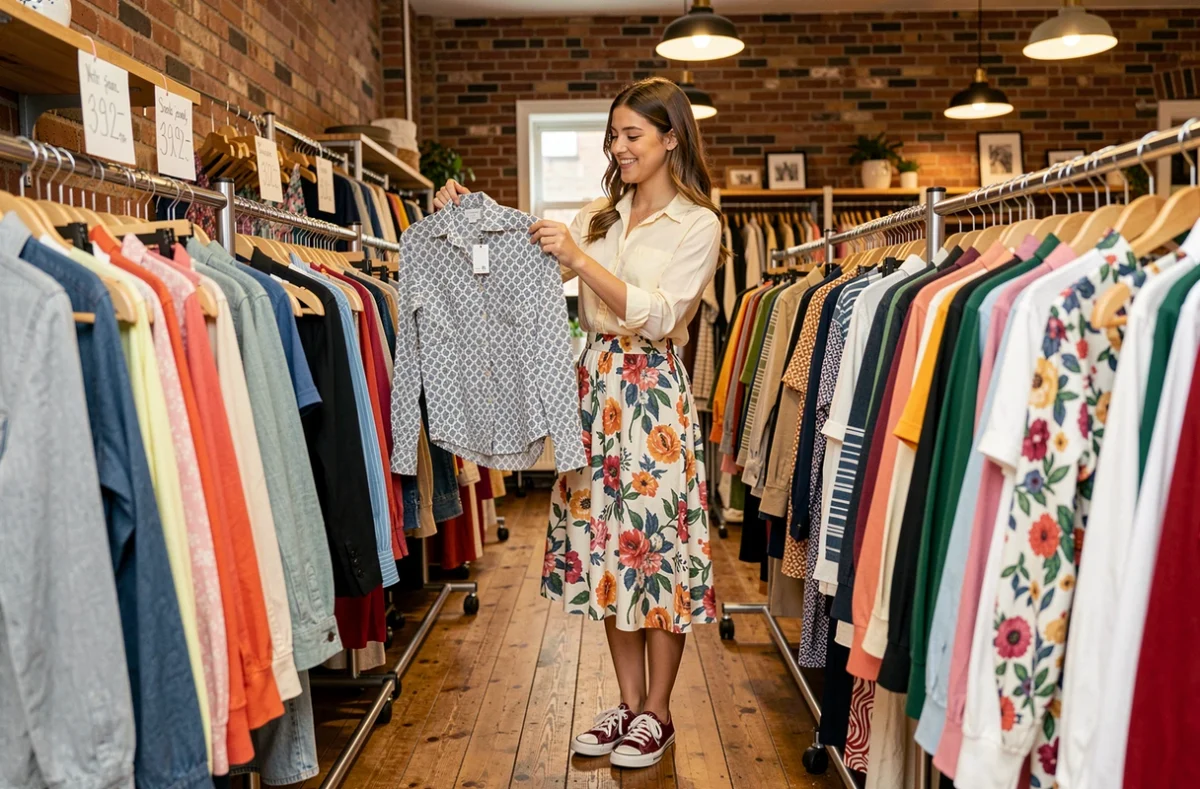
Keeping up with fashion and beauty trends while staying within budget means comparing shopping channels, identifying when prices really drop, and deciding where quality is worth the extra cost. This article compares prices across the available options and highlights practical ways to make every shopping dollar go further.
Trendy clothing prices: comparing shopping channels
The first step to avoiding overspending is knowing where to shop. Prices for comparable items can vary widely depending on the channel you choose.
| Shopping channel | Price range (typical item) | Main advantage | Drawback |
|---|---|---|---|
| Fast-fashion retailer | Low prices, frequent new arrivals | Immediate access to trends | Variable quality, short lifespan |
| Online secondhand (Vinted, etc.) | Often half the price of new | Affordable branded items | No try-ons, condition needs checking |
| Thrift and charity shops | Very low prices, one-of-a-kind finds | Check the fit and condition in person | Unpredictable stock, time-consuming to browse |
| Private sales and online outlet stores | Advertised discounts of half to a third off the original price | Mid-range brands at reduced prices | Limited-time offers |
| Affordable French brands (Gémo, Cache Cache, Bonobo) | Budget-friendly, seasonal collections | Good balance of trendiness and price | Less distinctive cuts |
Secondhand shopping, whether in-store or online, offers the biggest price difference compared with buying new. Thrift shops also let you inspect the fabric and finish before you buy—an advantage digital platforms can’t offer.
To find deals across these channels, Zaturelle’s shopping section regularly features fashion and beauty picks at reduced prices.
Affordable trend-led pieces: focus on basics, not passing fads
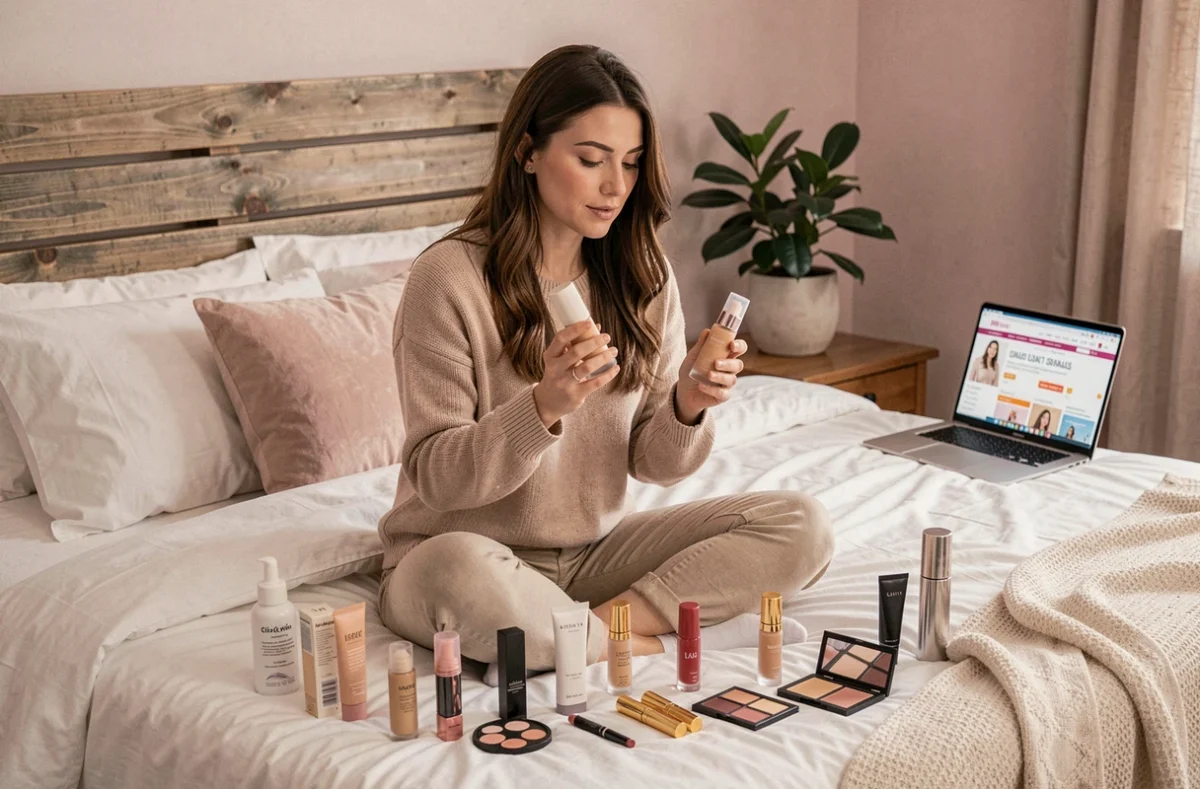
Buying fewer, carefully chosen pieces automatically reduces your annual spending. The math is simple: five versatile basics can replace fifteen or so fast-fashion items.
Basics (raw denim jeans, a white shirt, a neutral wool sweater, a black blazer, a beige trench coat) work well together and can easily be paired with a trendy accessory, a colorful scarf, or a statement piece of jewelry—without having to refresh your wardrobe every season.
Accessories: a flexible way to manage your fashion budget
Accessories cost less than clothing and can make a more noticeable difference to an outfit. A bag, a pair of earrings, or a scarf can update an outfit made up of timeless pieces.
- A trendy piece of jewelry (oversized earrings, a gold-tone chain) can be found cheaply secondhand or in private sales, turning a neutral basic into a statement look.
- Shoes are where quality matters most: a well-made pair lasts for several seasons and saves you from having to replace them often.
- Scarves, hats, and belts are among the least expensive items per piece, yet they can have the biggest visual impact on a simple outfit.
Investing in quality shoes and saving on decorative accessories is a more cost-effective way to manage your budget over the medium term than doing the reverse.
Textile Repair Bonus: an overlooked way to make clothes last longer
Repairing a damaged item is often cheaper than replacing it. The Repair Bonus, introduced under the AGEC law, provides an immediate discount at repair shops certified by the Refashion eco-organization.
A Refashion survey published in 2024 reported increased activity among certified repairers since the scheme was introduced. In practical terms, hemming, replacing a zipper, or mending a seam qualifies for the bonus, bringing repair costs down to a level that is often lower than buying a replacement from a fast-fashion retailer.
Repairing a well-made garment costs less than buying a low-quality equivalent, and the item retains its original fit and fabric. This is especially useful for coats, jeans, and leather shoes, which are well suited to alterations.
Affordable beauty trends: look beyond marketing claims
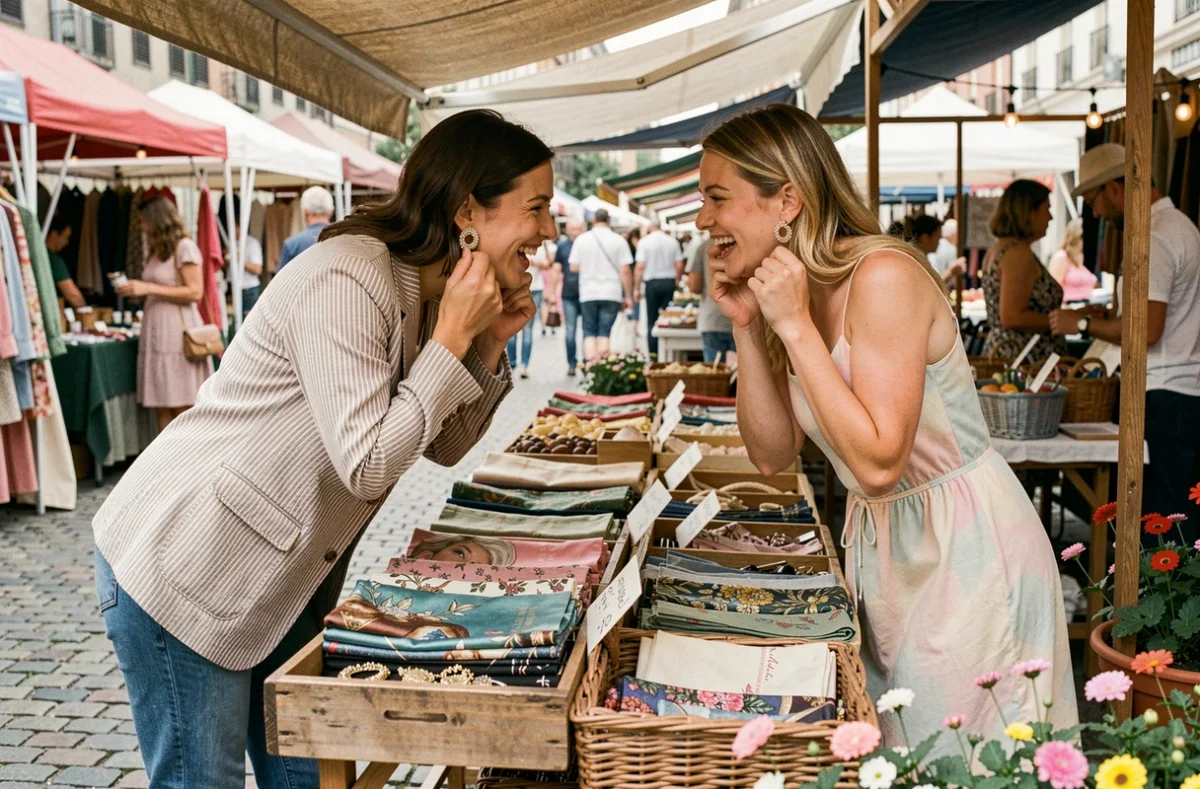
In beauty, savings start with reading ingredient lists carefully. EU cosmetics regulations require product claims to be substantiated and verifiable. Claims such as “environmentally friendly” are regulated in France, but they don’t guarantee better performance or better value for money.
Practical tips for smarter beauty shopping
- Compare INCI ingredient lists between a branded product and its store-brand equivalent: the formulas are often similar, while the price can be twice as high.
- Choose larger sizes for everyday products (moisturizer, facial cleanser): the price per milliliter drops significantly.
- Look out for seasonal gift sets and private-sale offers on specialist websites, which sell bundles of mid-range brands at reduced prices.
An expensive cosmetic product isn’t automatically more effective than an affordable one. The ingredients are the only reliable indicator, and they must be listed on the packaging.
Fast-fashion legislation: what’s changing for online shopping
Following a parliamentary agreement in June, a legislative proposal would introduce a surcharge on certain ultra-fast-fashion products and ban advertising by the companies concerned, including through influencers. The exact criteria for applying the rules have yet to be defined.
This regulatory change could affect the prices shown on some low-cost online shopping platforms. For consumers, distinguishing political announcements from rules that are actually in force can help avoid changing shopping habits prematurely.
Affordable fashion and beauty shopping therefore comes down to three measurable factors: choosing where to shop, keeping a good proportion of basics in your wardrobe, and using the Repair Bonus to extend the life of items you already own. Comparing the savings these strategies offer is the best way to make informed choices with every purchase.