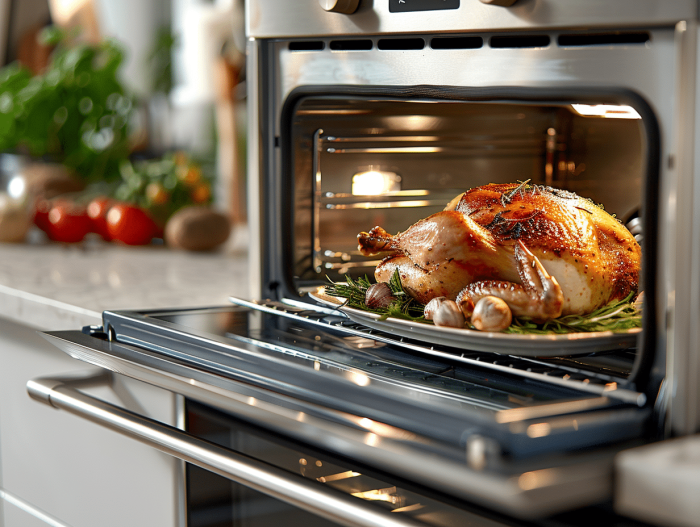
Achieving perfect cooking largely depends on mastering the temperature of your oven. Whether you are preparing a roast, grilled vegetables, or a delicate pastry, each dish requires particular attention to the displayed degrees. Too hot, and your dishes risk burning on the outside while remaining raw on the inside. Too cold, and the texture can become rubbery or bland.
Modern ovens offer a multitude of settings, from convection modes to built-in grills, each having its own impact on the food. Knowing how to use these options can transform a simple recipe into a memorable feast.
Understanding Different Cooking Temperatures
Cooking pottery, whether it be earthenware, stoneware, or porcelain, requires a fine understanding of temperatures. In cooking, this concept holds similar importance. Each dish benefits from a specific temperature to achieve its optimal cooking. Take meats, for example: cooking at low temperatures helps retain their tenderness and juices.
Recommended Cooking Temperatures
- Earthenware: requires a maximum cooking temperature of 1150°C.
- Stoneware: requires a cooking temperature of 1280°C.
- Porcelain: requires a cooking temperature of 1280°C.
To transpose these temperatures to cooking, consider the use of your oven. An oven Th 7, for example, is equivalent to about 210-220°C, an ideal temperature for pastries like cookies or sponge cakes.
The Cooking Steps
Cooking pottery involves physical and chemical transformations of clay and glazes/engobes. In cooking, temperature regulation follows a cooking curve that includes ramps, corresponding to periods of temperature increase or decrease. This concept is fundamental for cooking complex dishes that require multiple temperature phases, such as soufflés.
Mastering the cooking curve ensures even cooking, avoiding overcooked or undercooked areas. Modern ovens, equipped with electronic regulation and specific programs, facilitate this precise adjustment. For optimal cooking, set your oven according to the type of dish and temperature recommendations.
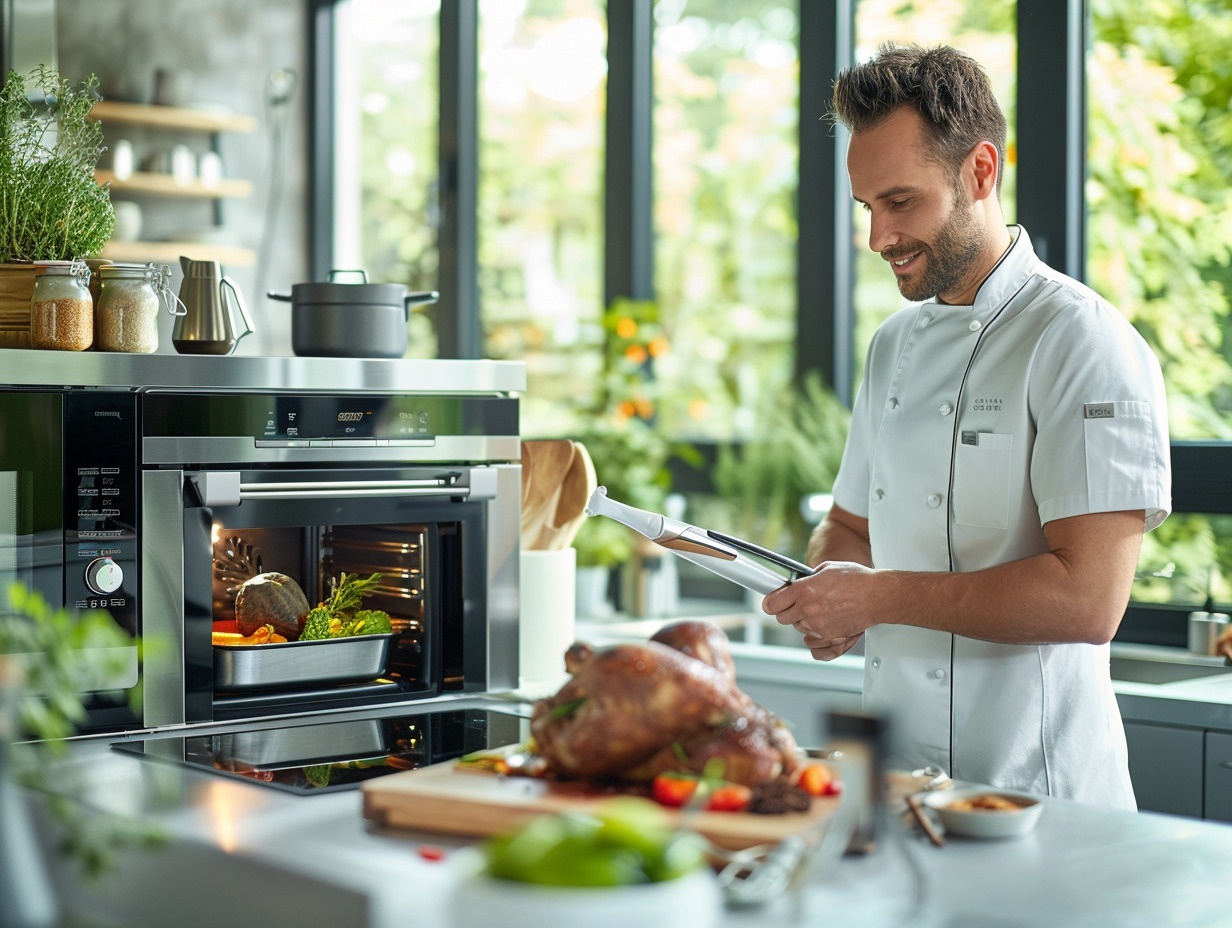
Practical Tips for Setting Your Oven Temperature
For optimal cooking, temperature regulation is essential. Modern ovens offer advanced features that allow for precise and reliable temperature control. Here are some recommendations for properly setting your oven:
- Use pyrometric probes: they measure the temperature inside the oven, ensuring even cooking.
- Prefer ovens with electronic regulation: these devices offer pre-configured programs and precise regulation, ensuring comfort and safety.
Choosing the Right Type of Oven
Depending on your needs, different types of ovens can be used:
- Electric ovens: they offer precise regulation thanks to thermocouples that measure the internal temperature.
- Gas ovens: suitable for rapid temperature increases but requiring closer monitoring.
- Wood-fired ovens: traditional, they require manual fire management to stabilize the temperature.
Optimizing Your Oven Use
To achieve the best results, several elements can be taken into account:
- Power: it determines the oven’s ability to reach and maintain the required temperatures.
- Flexible programming: temperature controllers, like those from Fuji Electric France, offer PID algorithms and auto-tuning features.
- Network connectivity: some controllers allow for remote control, facilitating real-time adjustments.
By following these practical tips and using the right equipment, you can master your oven’s temperature and ensure optimal cooking for all your dishes.